- Challenge
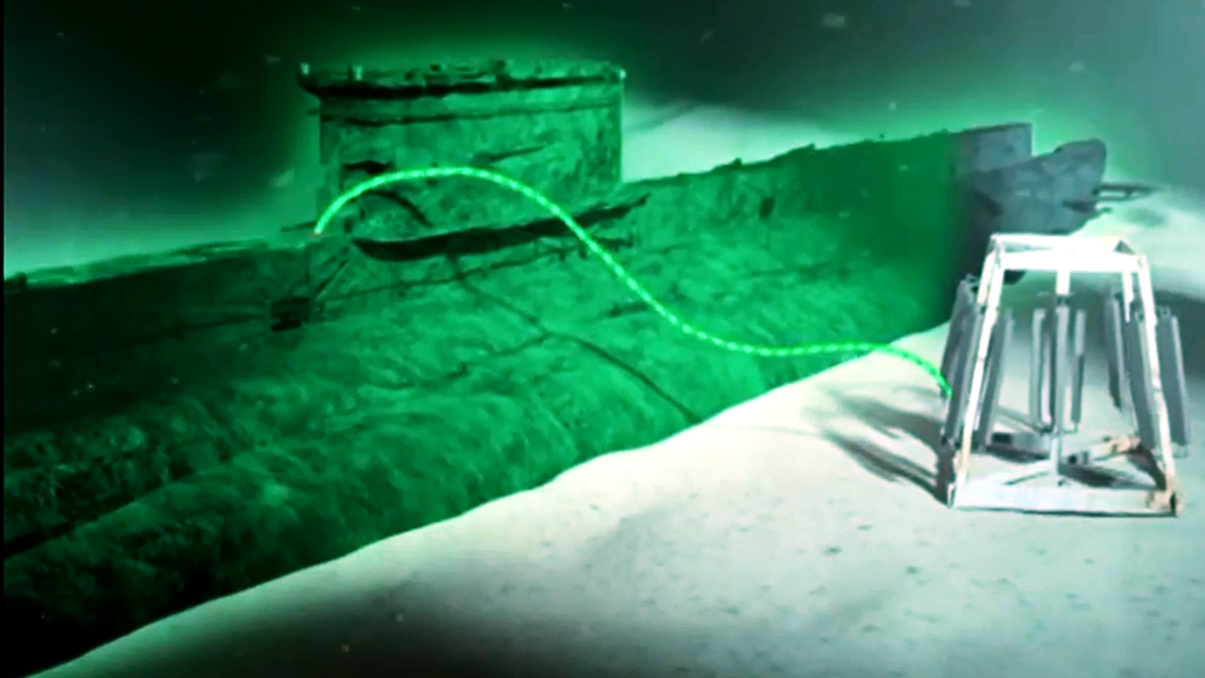
- The Australian submarine AE2 sank in the Dardanelles Strait in 1915 during the Gallipoli campaign of World War I, and today rests on the seabed as a protected war grave recognised jointly by Turkey and Australia. Decades underwater expose a steel hull to continuous corrosion, and for a vessel with this level of historical and memorial significance, the loss of structural integrity is not a maintenance question but a preservation one. The wreck could not be treated like an operating ship's hull: there was no dry dock, no access for conventional maintenance, and no precedent piece of equipment sized and shaped for a submarine that has sat undisturbed on the seabed for over a century. YEKE was approached to design a corrosion protection system that could be installed on the wreck itself, in place, without disturbing the site.
- Approach
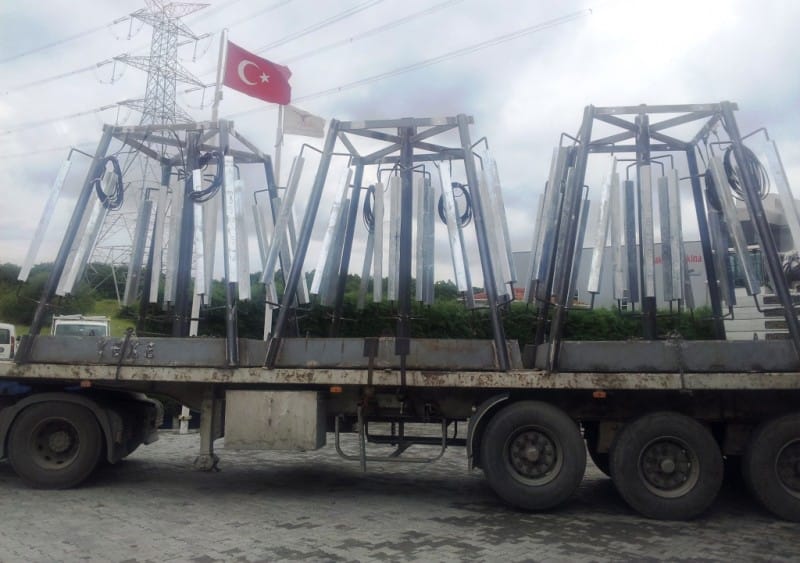
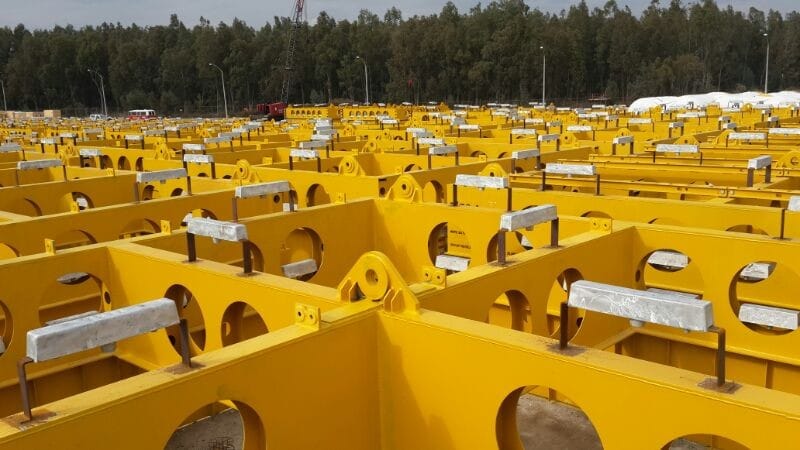
- Standard cathodic protection design starts from a vessel's as-built hull drawings and its expected service profile at sea. AE2 offered neither: its underwater geometry had to be assessed as found, and any protection system had to attach to a century-old hull without adding load or risk to a war grave. YEKE's engineering team treated the wreck as a bespoke structure, designing a purpose-built anode pod around AE2's actual underwater profile and applying the sacrificial anode principles set out in DNV RP-B401 to a project with no standard reference case to work from. The result was manufactured in YEKE's own facility and installed to protect the site rather than to keep a working vessel in service.
- Outcome
- The cathodic protection system now safeguards the AE2 against corrosion attack, slowing the deterioration of the hull and preserving the wreck as the war grave it is recognised as. The project is documented publicly as “AE2 Silent Anzac”, and it stands as one of YEKE's clearest examples of adapting standard marine corrosion engineering, normally applied to active commercial and offshore assets, to a historical preservation context.